
Choosing the right college soccer pathway can be overwhelming, especially when it comes to deciding between NCAA vs. NAIA Soccer.
Both the National Collegiate Athletic Association (NCAA) and the National Association of Intercollegiate Athletics (NAIA) offer unique opportunities for student-athletes, but they also come with distinct challenges and benefits. Understanding the differences between these two pathways is crucial for making the right choice for your soccer career.
Whether you’re aiming for the highest level of competition, prioritizing academics, or looking for scholarship opportunities, understanding the nuances between NCAA and NAIA soccer can help you make an informed decision. In this guide, we’ll break down the key differences, explore the pros and cons, and share insights from my personal experience playing at both levels.
Understanding NCAA vs. NAIA College Soccer Pathways
To make an informed decision between NCAA and NAIA, it’s essential to understand what each organization offers in terms of athletic competition, academic requirements, and player experience.
What is NCAA Soccer?

The NCAA is the largest governing body for college athletics in the United States. It oversees three divisions (D1, D2, D3), each with distinct levels of competition, scholarship opportunities, and academic standards.
- Division I (D1): Known for high-level competition and significant media exposure. Athletes here often have aspirations of playing professionally.
- Division II (D2): Balances athletics and academics, offering athletic scholarships but with a focus on a holistic student-athlete experience.
- Division III (D3): Prioritizes academics, with no athletic scholarships, but still offers competitive soccer.
What is NAIA Soccer?
The NAIA serves smaller colleges and universities, often providing a more community-focused athletic experience. NAIA schools tend to have fewer resources than NCAA institutions, but they offer competitive soccer programs with fewer restrictions on international players.
- Level of Competition: Comparable to NCAA D2 and D3, with some top NAIA teams matching lower-tier D1 programs.
- Scholarships: Athletic scholarships are common, but the amounts vary significantly.
- International Players: NAIA rosters often feature a high number of international athletes, providing a diverse and competitive environment.
NCAA vs NAIA Soccer: Key Differences
NCAA vs. NAIA Soccer: Level of Competition
Division 1 soccer typically features the most competitive teams, attracting top-tier talent from the U.S. and internationally. NAIA, while competitive, often draws players looking for a balanced college experience or those who didn’t secure D1 offers.
Academic Requirements for NCAA vs. NAIA Soccer
- NCAA: Stringent academic eligibility rules, especially at the D1 and D2 levels, with mandatory core courses and GPA requirements.
- NAIA: More flexible eligibility standards, making it accessible for international and non-traditional students.
Scholarships and Financial Aid Opportunities
- NCAA D1: Full athletic scholarships are common, but they are highly competitive.
- NCAA D2: Partial athletic scholarships are the norm, with academic aid also playing a role.
- NAIA: Offers athletic scholarships, often combined with academic grants, making it a viable option for students balancing sports and studies.
Eligibility Rules and Regulations
NCAA eligibility is governed by the NCAA Eligibility Center, while NAIA has its own set of regulations. NAIA’s rules are often considered more flexible, particularly regarding age and amateur status.
Geographic Distribution of Schools
- NCAA: Schools are spread throughout the United States, with D1 programs concentrated in regions with a strong athletic tradition.
- NAIA: Often found in smaller towns and rural areas, offering a more tight-knit community feel.
Need Help Deciding Between NCAA vs NAIA Soccer? Let’s Chat!
Choosing the right pathway can be challenging, but I’m here to help you make the best decision for your future in college soccer.
🔗 Message me on Instagram: @jmc_recruiting
🌐 Book a Free Consultation
✉️ Email me directly: joseph@platformsportsmanagement.com
NAIA Soccer: An Underrated Pathway

When most athletes think of playing college soccer in the United States, the NCAA usually comes to mind. However, the NAIA (National Association of Intercollegiate Athletics) is a highly competitive alternative that often goes overlooked. Despite its smaller size compared to the NCAA, the NAIA offers athletes unique benefits that make it a strong consideration for those looking to continue their soccer careers.
Level of Competition in NAIA Soccer
NAIA soccer is far from a step down in quality. The top NAIA programs are stacked with talented players, many of whom could easily compete at NCAA D1 or D2 schools. In fact, the flexibility in eligibility rules allows NAIA programs to attract a larger pool of international players, enhancing the level of competition. As well as an increased number of scholarships.
I experienced this firsthand during my time at an NAIA school, where the standard of play was consistently high, with international talent bringing diverse styles and fierce competition. The open recruitment and transfer policies make NAIA a hotspot for ambitious athletes who might have been overlooked by NCAA programs.
NAIA Soccer Scholarships: What You Need to Know
One of the biggest benefits of playing in the NAIA is the opportunity for athletic scholarships. Unlike NCAA D3 programs, NAIA schools can and often do offer athletic scholarships. While not always full rides, they can be combined with academic scholarships to significantly reduce the cost of attendance.
- More Flexible Eligibility Requirements: NAIA has fewer academic restrictions, making it easier for players to qualify.
- More International-Friendly: Schools are often more welcoming to international athletes, which broadens recruitment options.
- Multiple Pathways: Players can transfer between NAIA and NCAA with fewer barriers compared to NCAA-to-NCAA transfers.
Pros and Cons of NCAA vs. NAIA Soccer
Choosing between NCAA and NAIA depends on your athletic ambitions, academic goals, and personal preferences. Here’s a breakdown of the main advantages and disadvantages of each pathway:
NCAA Pros & Cons
Pros:
- Higher visibility and media exposure, especially at the D1 level
- Access to top facilities and larger athletic budgets
- Stronger pathways to professional soccer
Cons:
- More rigid eligibility requirements
- Higher academic standards, which may limit flexibility
- Intense competition for scholarships, especially at the D1 level

NAIA Pros & Cons
Pros:
- Greater scholarship opportunities across the board
- More flexible eligibility and recruitment rules
- Easier transfer process, including to NCAA schools
Cons:
- Less media coverage compared to NCAA D1 programs
- Smaller athletic budgets and less extensive facilities
- Fewer structured pathways to pro leagues (though still possible)
Both pathways offer a solid platform to grow as an athlete and student. The decision often comes down to what you value most: competition level, scholarship opportunities, or academic flexibility.
My Personal Journey: NCAA vs. NAIA Soccer

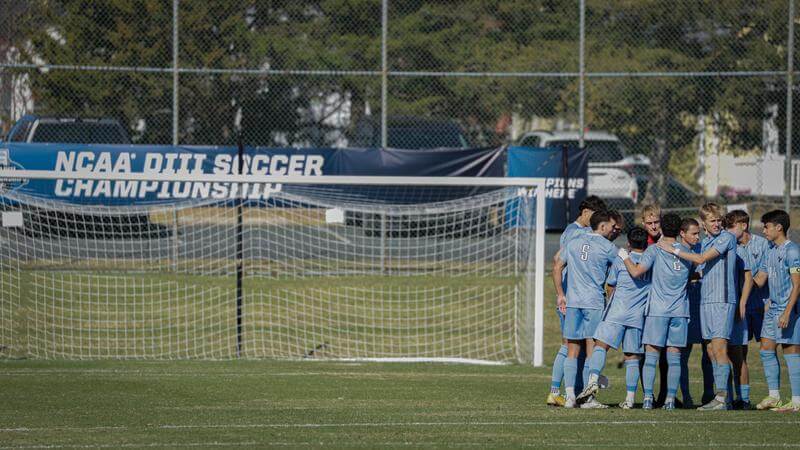
Having played college soccer in both the NCAA and NAIA, I’ve seen first-hand the differences between the two pathways. I experienced life as an NCAA DII soccer player first.
Curious how NCAA, JUCO, and NAIA compare? ⚽️ Find out here.
My experience was underwhelming, as despite excellent facilities and support off the field; I found the on-field product underwhelming. I didn’t feel challenged enough in training, and the coaching was basic at best. While I appreciated the structure and visibility that came with playing in the NCAA, the lack of enjoyment from soccer put a dampener on my experience.
When I made the switch to the NAIA, I experienced a completely different environment. The recruitment process was smoother, the international diversity was eye-opening, and the level of competition was far more challenging. I began to enjoy and feel tested to the limit every afternoon at practice. And the field…well just look below.
The best part of my NAIA experience was playing for a historic program where expectations were high. There is more pressure playing soccer for a top NAIA program vs an NCAA DI side that regularly struggles.
When it comes to comparing my NCAA vs NAIA soccer experience – NAIA comes out on top.

How to Choose the Right Pathway
Deciding between NCAA and NAIA soccer is a big choice that can shape your college experience and athletic career. To make the best decision, it’s important to consider several key factors that influence your development both on and off the field.
Questions to Ask Yourself Before Deciding
Before you commit to one path, take the time to reflect on these questions:
- What are your athletic goals? Are you aiming to play professionally, or is college soccer the peak of your career?
- How important are academics to you? Would you prioritize a flexible schedule that allows for internships and academic focus?
- Do you want to experience international diversity? NAIA schools often have more international players, bringing a mix of playing styles and cultural experiences.
- Are scholarships a key factor? NAIA tends to be more generous with athletic scholarships, while NCAA D1 programs have more full-ride opportunities.
- Do you value media exposure? NCAA D1 programs tend to have more national exposure, which can be a gateway to professional opportunities.
Key Factors: Goals, Competition, Location, and Scholarships
Understanding how these four elements influence your decision can help narrow your focus:
- Goals: If your dream is to go pro, the NCAA D1 route may provide more exposure. However, if you want to enjoy competitive soccer with less academic pressure, NAIA might be the perfect fit.
- Competition: Both pathways have strong competition, but NCAA D1 is often seen as the pinnacle. Top NAIA programs, though, are just as competitive as NCAA D2 schools.
- Location: NAIA schools are often in smaller towns with tight-knit communities, while NCAA programs are spread across major cities and rural areas alike.
- Scholarships: If finances are a priority, NAIA schools often offer a more flexible combination of athletic and academic scholarships.
Recruitment Strategy
The recruitment process differs slightly between the two:
- NCAA: Requires registration with the NCAA Eligibility Center. Coaches follow strict recruitment periods, making timing critical.
- NAIA: More flexibility in recruitment timelines, with fewer restrictions on coach communication. This allows for a more personalized approach.
If you’re not sure which route best suits your goals, let’s chat and map out your ideal pathway. Message me on Instagram or email me to learn more.
NCAA vs. NAIA Soccer: Frequently Asked Questions (FAQ)
NCAA is larger, with three divisions and higher media exposure, especially at the D1 level. NAIA focuses more on community and international diversity, with more flexible eligibility rules.
Yes, NAIA athletes can transfer to NCAA schools. The process is often smoother than NCAA-to-NCAA transfers due to less strict eligibility requirements.
NCAA D1 schools typically offer the largest athletic scholarships, but they are highly competitive. NAIA schools, while less publicized, often provide more accessible scholarships, especially when combined with academic aid. Your best option depends on your athletic level and financial needs.
Not necessarily. The top NAIA programs are competitive with NCAA D2 and even some D1 schools. The difference is often more about school size and budget than talent level.
Yes, many NAIA players go on to play professionally, both in the United States and abroad. It may require more self-promotion and exposure, but it’s absolutely achievable.
Conclusion: Finding the Right Fit
Both NCAA and NAIA soccer offer unique opportunities for student-athletes to develop their game, earn a degree, and prepare for the future, whether that’s in professional soccer or another career path. Understanding the differences between NCAA vs. NAIA soccer is key to choosing the path that best aligns with your goals.
The key is to understand what matters most to you:
- If you want top-tier competition, professional exposure, and high-level facilities, NCAA D1 is likely the best fit.
- If you prefer flexibility, a diverse team environment, and accessible scholarships, NAIA could be your ideal path.

Need help figuring it out? Let’s chat.
If you’re ready to take your recruiting process seriously, get in touch. You can message me on Instagram at @jmc_recruiting or email me directly at joseph@collegesoccerinsight.com to start building a clear plan for your college soccer journey.


Leave a Reply